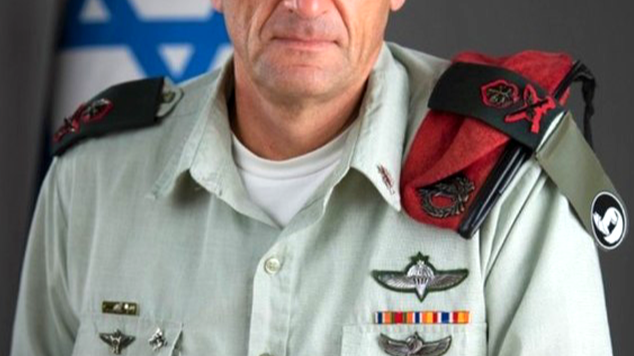
Herzi Halevi’s resignation was necessary.
But the leadership story is more complex than the resignation itself.
Many are asking whether he should have resigned earlier.
I’m asking a different question: what kind of leader manages to take a broken organization, one that failed so deeply, and move it so quickly back into action?
If he had been a CEO, he likely would have been replaced immediately.
Usually, the person who led the failure is not the one trusted to lead the recovery.
And yet, this is exactly where the leadership lesson begins.
Because rebuilding after collapse requires a rare combination of capabilities:
First, humility.
When certainty collapses, leadership starts with the ability to admit that the old assumptions failed.
Second, openness.
The shift from certainty to questions creates space for others to think, challenge, and lead. That matters. Especially in crisis.
Third, values.
In moments of chaos, people need more than instructions. They need a moral compass.
One of the clearest signs of leadership is the ability to translate values into action that every person in the system understands.
Fourth, partnership.
No serious leader rebuilds alone. Alignment across senior leadership is not a “nice to have.” It is a condition for recovery.
Fifth, presence.
Real leadership is not about statements. It is about showing up. In the field. Under pressure. With people.
Sixth, backing your people.
Not blindly. Not without accountability. But with enough steadiness that people know they are not being abandoned the moment things go wrong.
Seventh, focus.
In crisis, everything screams for attention. Leadership is deciding what matters most now and holding the organization there.
And finally, responsibility.
Not spin. Not blame shifting. Responsibility.
I am not ignoring the failure.
I am saying that leadership is measured not only by collapse, but also by what happens next.
This case will be studied not just because of the failure, but because of the attempt to recover from it.
That, too, is leadership.