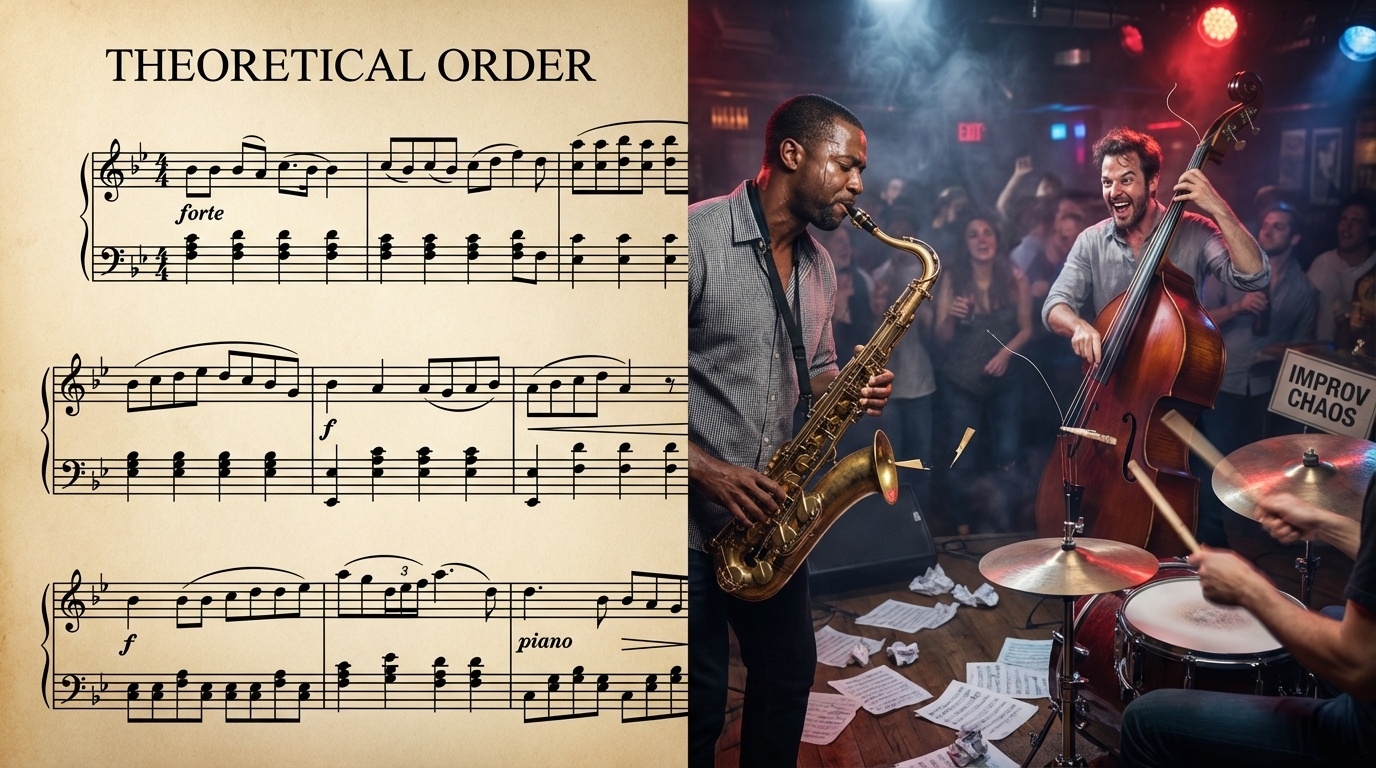
A thought I can’t shake lately:
We’re building “skills-based organizations”…
…but managers don’t manage “skills.” They manage reality.
No manager wakes up and says: “Today I’ll improve psychological safety and run team building.” They say: “Two people are fighting in every meeting.” “Everything is urgent.” “We’re stuck in approvals.” “I can’t get alignment.” That’s the language of execution: problems + processes.
HR (and many of us) speak a different language: skills, competencies, frameworks, models. And now “skills” is becoming the new HR dialect.
Yes, skills matter, the world is changing fast: WEF: 39% of core skills will change by 2030 McKinsey: 87% of execs report skills gaps
But the missing piece is translation. The way to make skills real is to attach them to business processes. Because most “people issues” are actually process breakdowns that show up as friction: conflict in meetings → no decision rules / unclear ownership burnout → broken prioritization slow delivery → messy handoffs + rework
So a better sequence is: Business outcome → business process → observable behaviors → skill When we do that, “skills” stops being abstract… …and becomes something managers can act on Tuesday morning.
If you lead HR / L&D / leadership development, here’s the question I’d start with: Which business process is creating most of your leadership pain right now? (And what’s one behavior change that would immediately improve it?)
What’s one “people problem” you’re seeing right now that is actually a process problem in disguise?